

Context
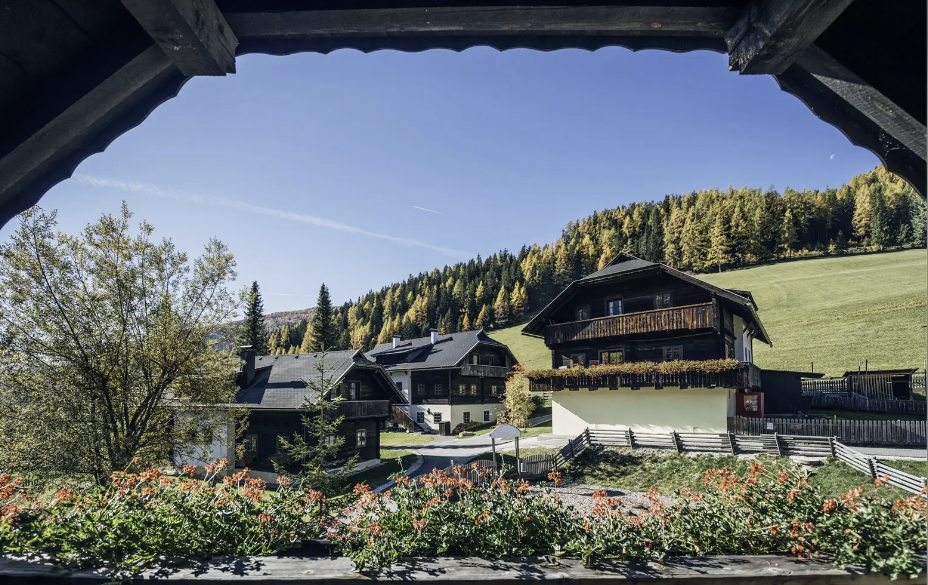
SlowTravel by Kirchleitn welcomes guests into an Alpine setting built around calm, nature, family and sustainable tourism. The guest experience rests on a clear promise: letting travellers slow down, reconnect and enjoy a seamless stay in the heart of the Austrian Alps.
But that simplicity on the guest side demands solid organisation on the team side. Behind every stay, SlowTravel has to coordinate several resorts, manage cabins that are configured according to bookings and keep precise track of the equipment in each space.
So the real issue isn't just managing rooms. It's structuring a flexible, multi-site, demanding hotel operation without creating more complexity for field teams.
The challenge
Each SlowTravel cabin can be rented as a complete unit or split into several separate rooms. That flexibility is a significant commercial advantage, but it creates genuine operational complexity.
Teams need to know exactly which configuration to prepare, which spaces to clean, which equipment to check and which maintenance requests to prioritise.
Without a central system, the risks build quickly: preparation errors, instructions that don't get through, missing items, duplicated tasks, time lost in coordination and a drop in perceived quality for the guest.
To keep the experience consistent, SlowTravel needed a tool capable of turning that flexibility into a simple, clear, reliable process.
The solution
RoomChecking was deployed as the central platform for SlowTravel's operations.
From a single dashboard, teams can coordinate housekeeping, maintenance, quality audits and inventory tracking. Operations across the resorts are centralised, which reduces confusion and duplication between teams.
RoomChecking also handles the dynamic configuration of the cabins. When a cabin is booked as a complete unit or divided into several rooms, housekeeping tasks adapt to the actual configuration. Teams receive the right instructions without depending on scattered manual notes.
Digital inventories make it possible to track every cabin and every room: crockery, furniture, pillows, equipment and specific items. Missing or damaged items can be identified faster, which makes replacement easier and limits losses.
The results
With RoomChecking, SlowTravel gains operational clarity. Teams spend less time coordinating tasks manually and more time ensuring the quality of the guest experience.
Cabins are better prepared, equipment is better tracked and maintenance requests can be routed to the right people based on the resort, the cabin and the type of work needed.
The main benefit is simple: less complexity for teams, more reliable execution and a calmer guest experience.
What this case study shows
SlowTravel's strength rests on a simple, natural, restful guest experience. But to deliver that promise, the organisation behind it has to be robust.
The more flexibility a hotel offers, the clearer its operational system has to be. Modular cabins, detailed inventories and multi-site coordination quickly become sources of friction if teams work with scattered tools.
RoomChecking turns that complexity into a structured process. The platform doesn't replace the teams: it gives them a framework to execute better, communicate better and hold a high level of service.
Conclusion
For SlowTravel, RoomChecking provides a reliable operational foundation: a single platform to manage housekeeping, maintenance, inventories and cabin configurations.
For hotels and resorts that want to offer more flexibility without creating more operational chaos, RoomChecking becomes a direct lever for quality, coordination and field efficiency.